


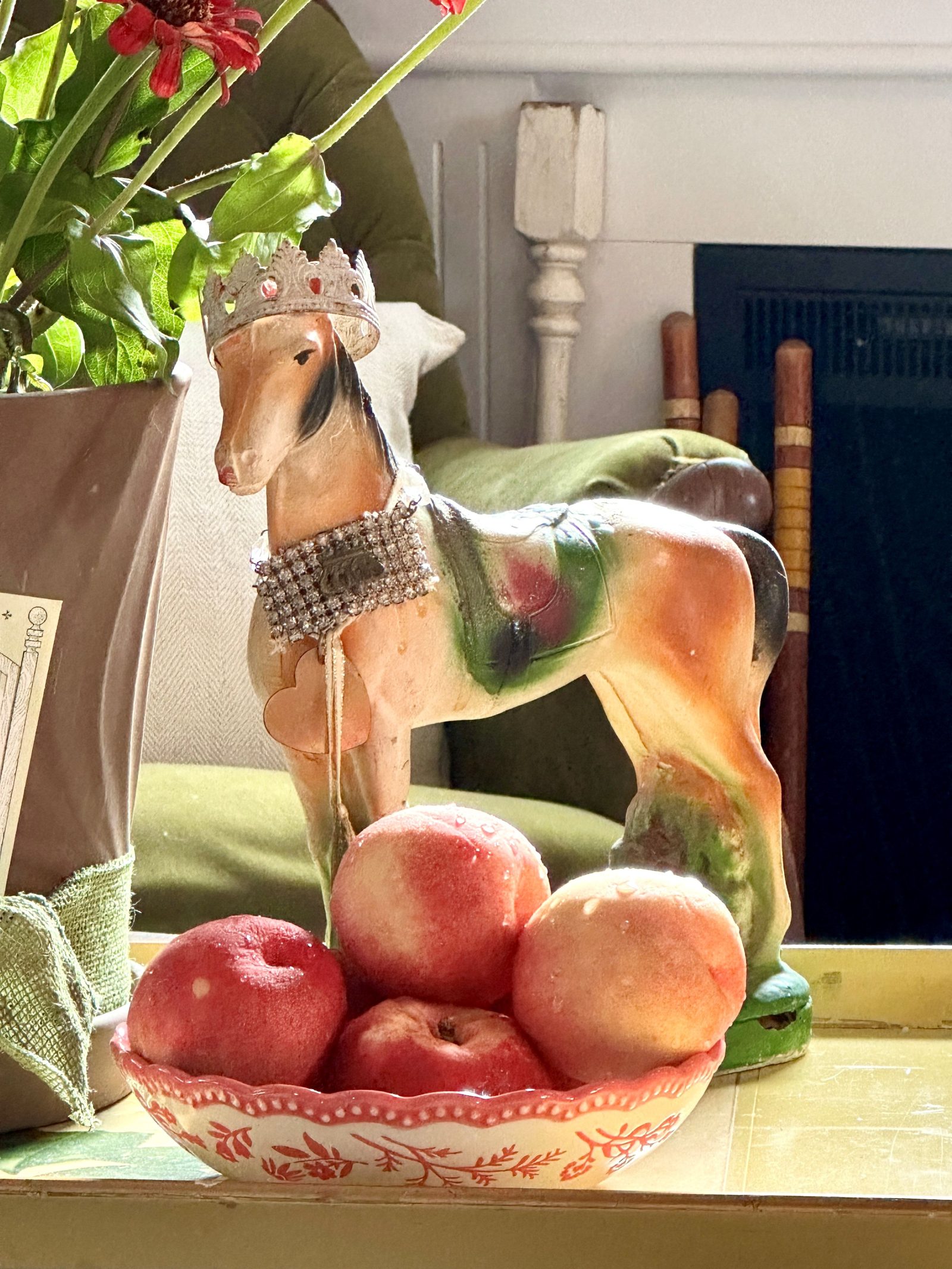
Vintage equestrian items are available in abundance, but finding the right one for you—well that’s a horse of a different color.
Horses have long been considered a symbol of power and bravery, and were one of the very first animals to be depicted in art. Today, the horse is an American icon, and its strong and graceful silhouette can be found on the finest of collectibles.
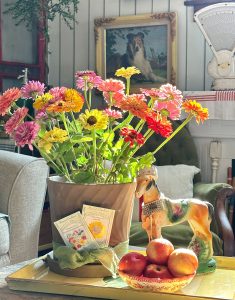
HORSES IN HISTORY
Often shown riding into battle or carrying noble kings, horse representations can be traced back thousands of years, most often seen on terracotta pots, tapestries, murals or as statues.
As horses became part of American and English sports like polo and thoroughbred racing, they became a popular subject of everyday décor items. To this day, they are a commonly seen on bookends, bottle openers, statues, clocks and lamps, to name a few.
“[Equestrian décor] seems timeless; there are always collectors looking and purchasing; they will meet the going prices for good finds,” says vintage collector Lynn Rinderle.
Collectors can also find vintage equestrian prints— whether illustrated, hand painted or sketched—that feature different sporting techniques, positions and horse breeds. Horses were common subjects of American advertising and graced tobacco tins, cigar boxes or, famously, Budweiser beer ads and packaging.
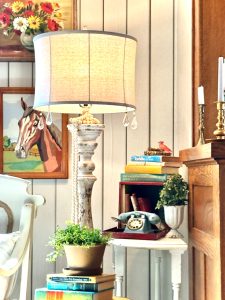
THE WILD WEST
Today, horses may be of most interest for collectors of vintage Americana and Western styles. Serious collectors must learn to distinguish English riding memorabilia from Western styles, a significant factor in collecting vintage saddles, reins, bridles, horseshoes and other equipment.
The most distinctive feature of a Western saddle is the prominent horn in the front (meant not only to provide stability for the rider as he lassoes in cattle, but also as a tool to do so). Other characteristics include a steeply pitched cantle in the back of the Western saddle. The English saddle is also much lighter in weight.
Many collectors are also drawn to Western saddles for their interesting stitching and designs, which are typically more highly decorative and may feature metal conchos, silver embellishments or leather rosettes.
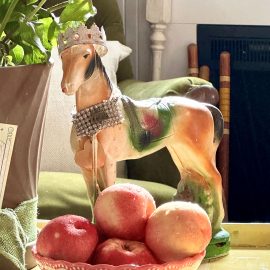
Highly collectible horse curios include the Staffordshire figurals of the Victorian era, or those by American pottery company McCoy. However, be wary of dealers claiming to sell authentic pottery, Lynn says.
“The majority of the antique American pottery on eBay are cheap reproductions,” she notes. To avoid reproductions, Lynn says ensure you buy from a reputable seller and beware of scammers with stories. “Let the items tell you the age.”
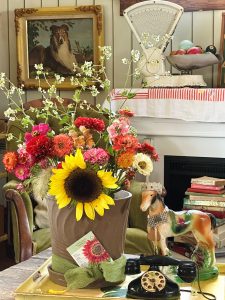
At Home with … Antique Equestrian
HOW TO DISPLAY YOUR COLLECTION

• Hang a set of leather reins in your bathroom, along with silver spurs or vintage shaving kits, for a look that’s more saloon than show.
• Show ribbons are a great touch for a child’s room. Continue the horse theme with a pair of old riding boots, framed equestrian prints and vintage cowboy figurines.
• Use a pair of bronze horse statues to bookend items on a shelf or add elegance to a mantel.
COLLECTIBLE: Antique equestrian
PRODUCERS: McCoy (pottery), Breyer (toys and figurines). Prominent American saddle makers include Newton Porter and Hollywood saddle maker Edward Bohlin.
PRICE RANGE: You can pick up a McCoy horse figurine or planter for anywhere from $30 to $50, however a pristine set of glazed bookends will jump up to the $150 to $200 range. Be prepared to spend anywhere from $300 to $1,200 for an antique riding saddle.
BEST PLACES TO PICK: For authentic equestrian equipment, go to tack shops or shop online equestrian dealers instead of general auction sites. For horse pottery, stick to flea markets or antiques stores where you’ll find knowledgeable dealers. Lynn also suggests bartering with other collectors. “If you run into a good deal on a Breyer horse but already have that one, buy it anyway and trade with someone in the Breyer Collectors Club,” she says.
MARKET VALUE: “The value of vintage and antique equestrian items is stable and tends to increase over time,” Lynn says. For equestrian equipment, condition of the leather is important. Signs of wear point to genuine riding saddles, however, versus those used just for decoration. Both are great collectibles, but you should know what you’re looking for going in.